Local HVAC Contractor in Chester County, PA – AC, Heat Pumps, Furnaces & Indoor Air Quality Serving West Chester, Exton, Downingtown, Malvern, Media, the Main Line & Nearby Areas
Comfort Backed by Proof, Not Pressure
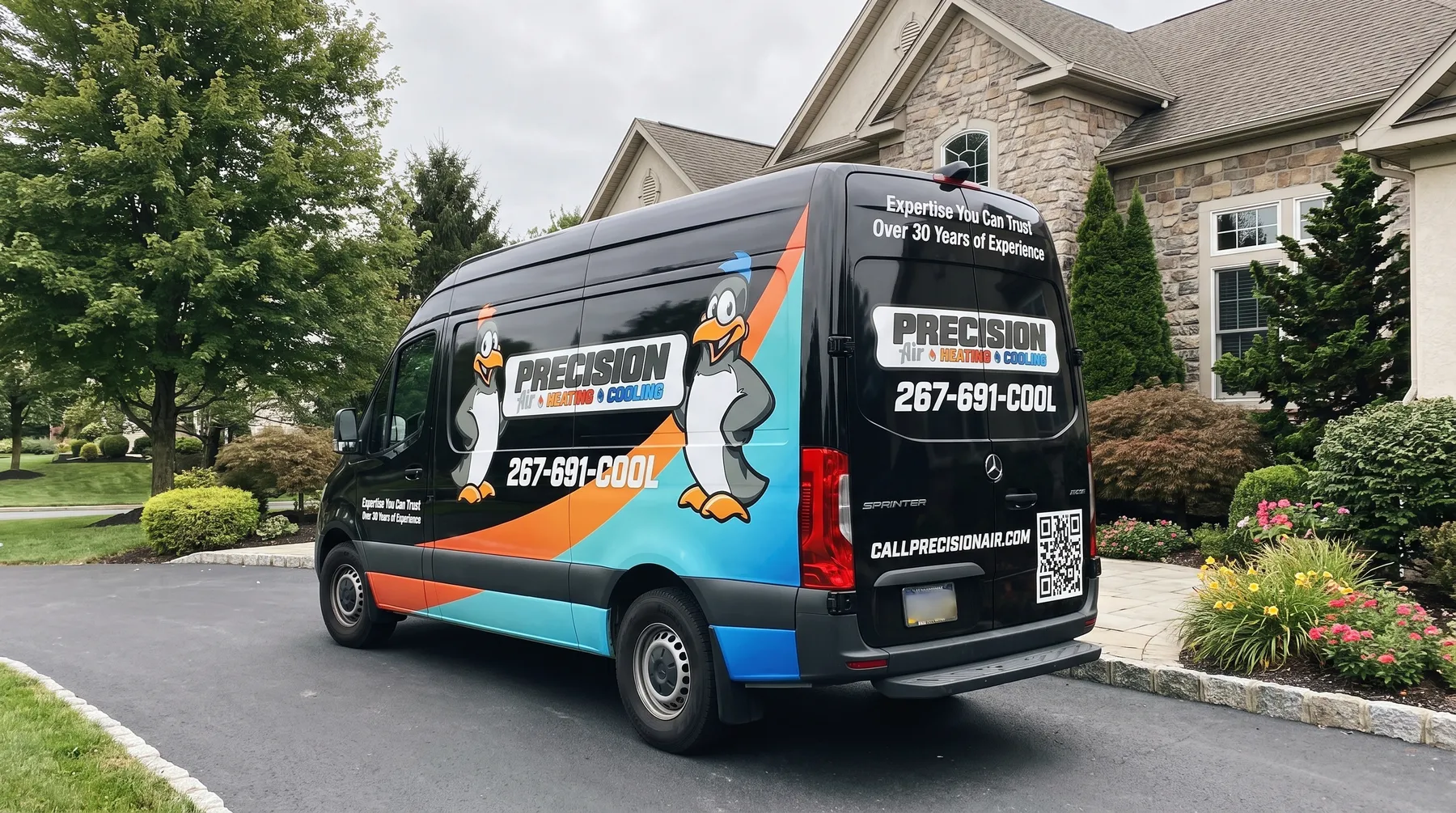
- Local, Not Corporate
- Independent Since 1993
- Proof, Not Pressure



Who We Are
Your neighborhood HVAC company since 1993
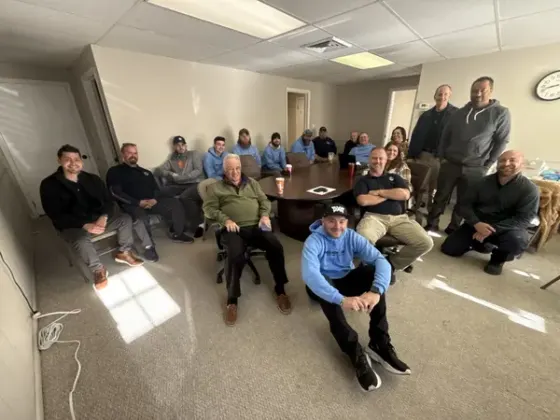
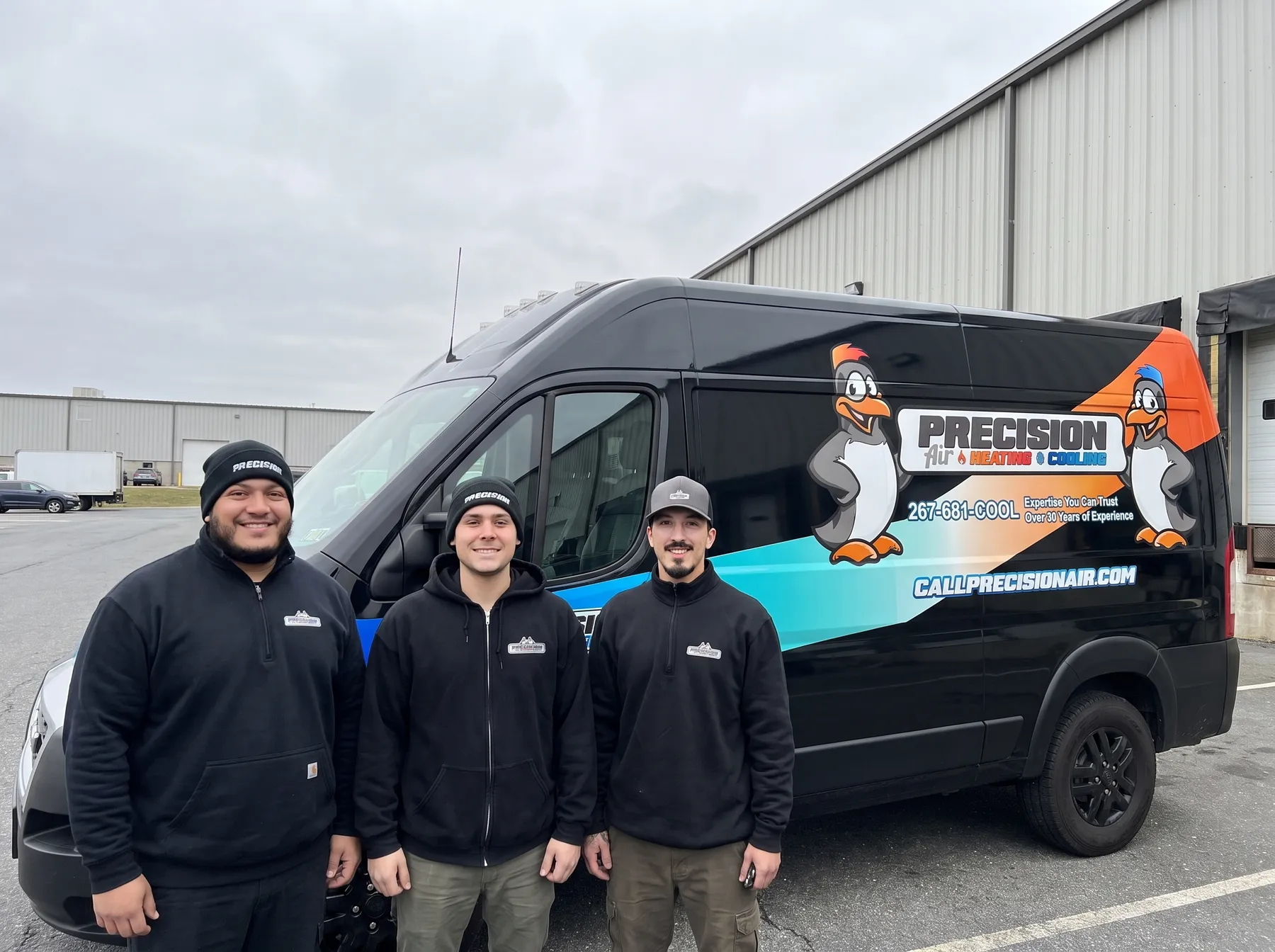
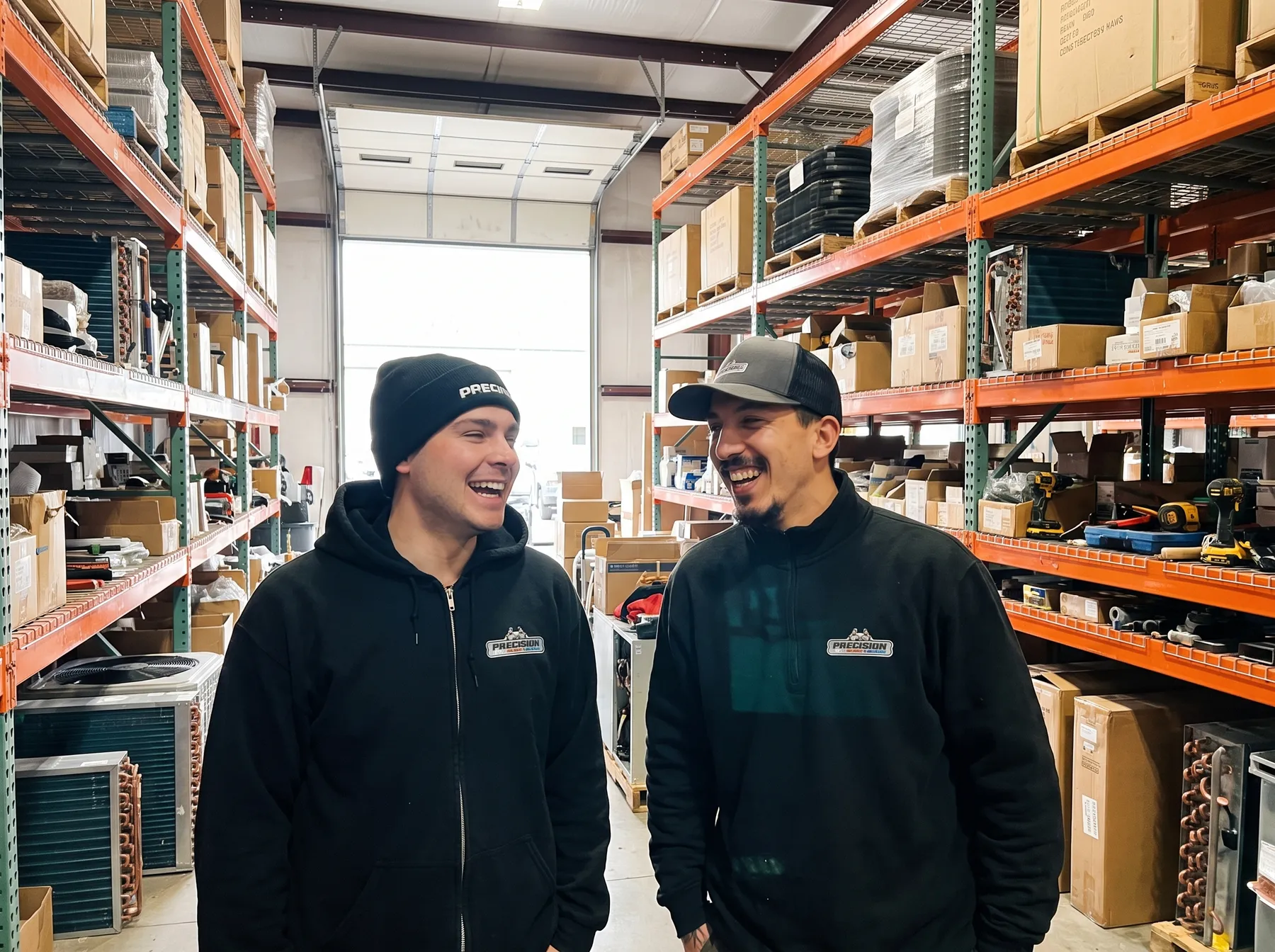
Precision Air Heating and Cooling has kept Chester County homes comfortable since 1993, and we are still owned by people who live here. Most of the established names around West Chester and the Main Line have sold to private equity over the years. We stayed independent because the person deciding how your service call goes should be someone whose reputation is on the line at the same grocery store you shop at. We run separate service and install teams, so a July heat wave never forces us to choose between fixing your system and building someone else’s. You get a straight answer, the evidence behind it, and a price in writing before anyone picks up a wrench.
“Growing up in West Chester, I knew the name Precision Air meant honesty and care. Today I’m proud to carry that legacy forward, and to make sure local families get reliable comfort without the hassle.”
— Eric Light, Owner & President
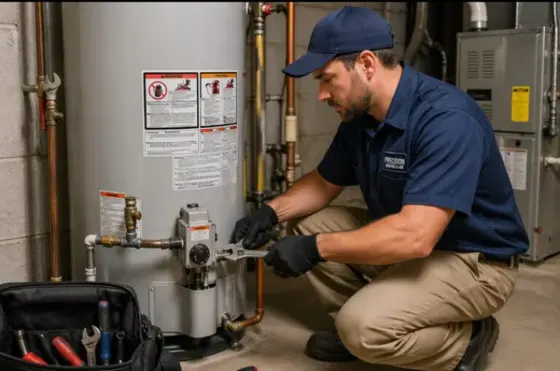
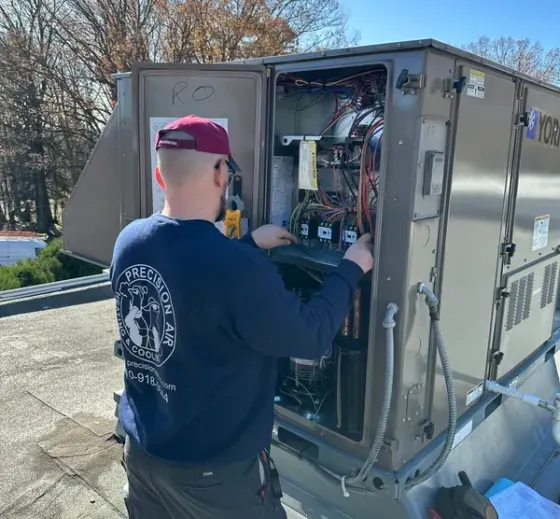
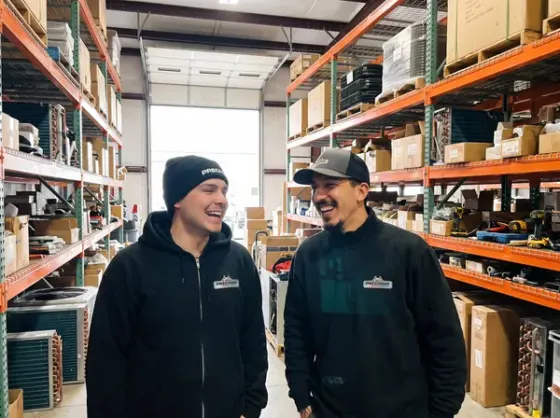
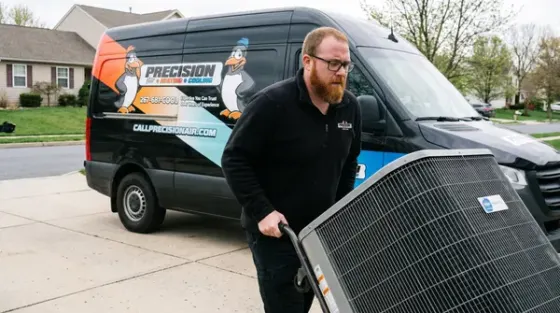
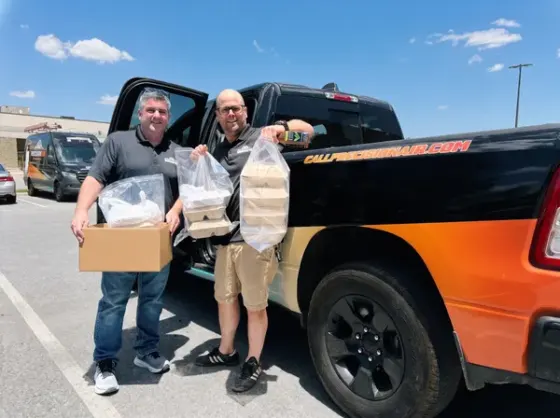
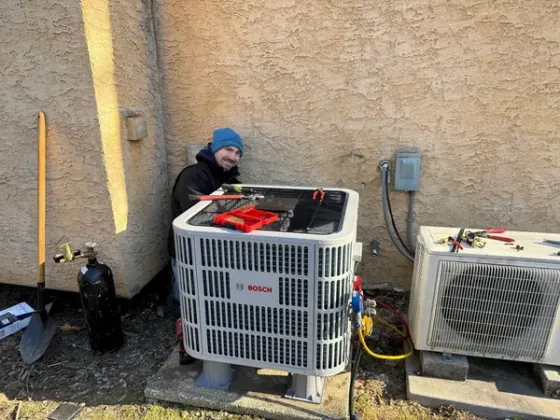
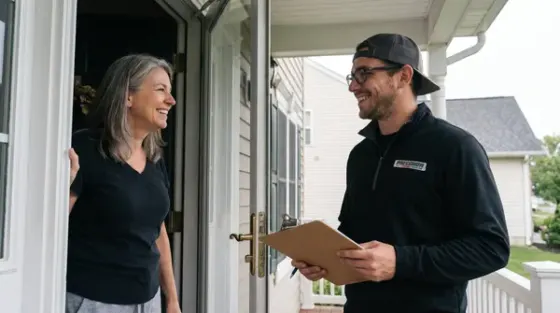
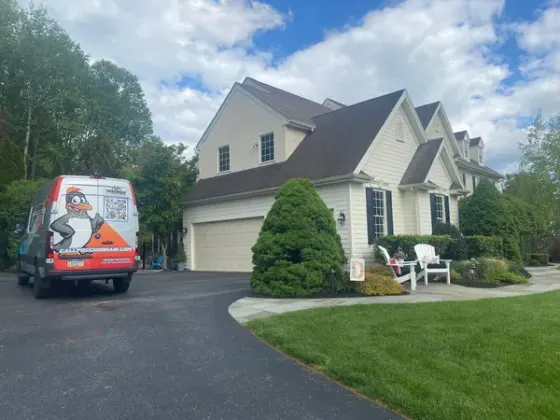
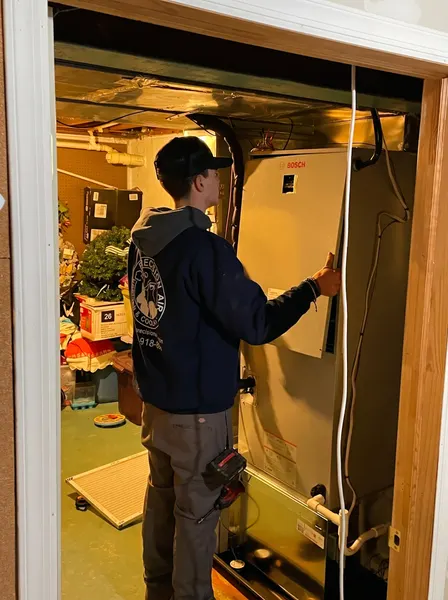
“Growing up in West Chester, I knew the name Precision Air meant honesty and care. Today I’m proud to carry that legacy forward, and to make sure local families get reliable comfort without the hassle.”

Our Services
Our most popular HVAC services in Chester County
There is not much a Chester County home can throw at a heating or cooling system that our crew has not already waddled into. Here is where most homeowners start.
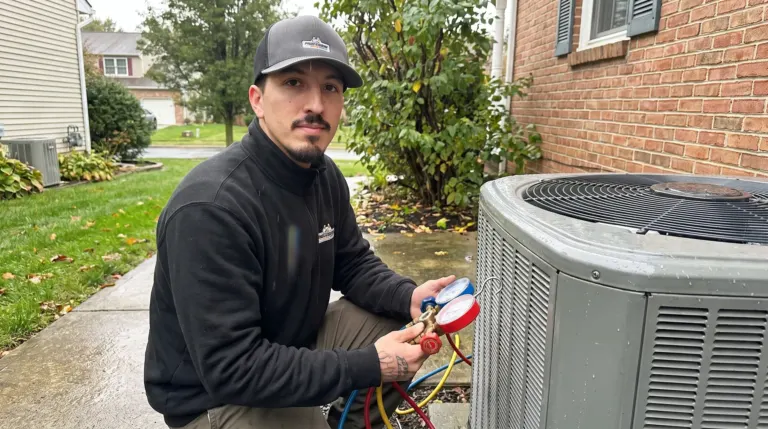 Air Conditioning

Air Conditioning
When the vents go warm on the first 95° afternoon, you want a clear cause, not a sales pitch. We find what failed, show you the evidence, and price the repair in writing before we start. When a system has reached the end, we size the new one to your home and build it to run for the next 15 years.
ServicesAC Installation & Replacement
AC Repair
AC Maintenance
Ductless Mini-Split Installation
Ductless Mini-Split Repair
Emergency AC Service
Programmable Thermostats
Zoning Systems
 Heating

Heating
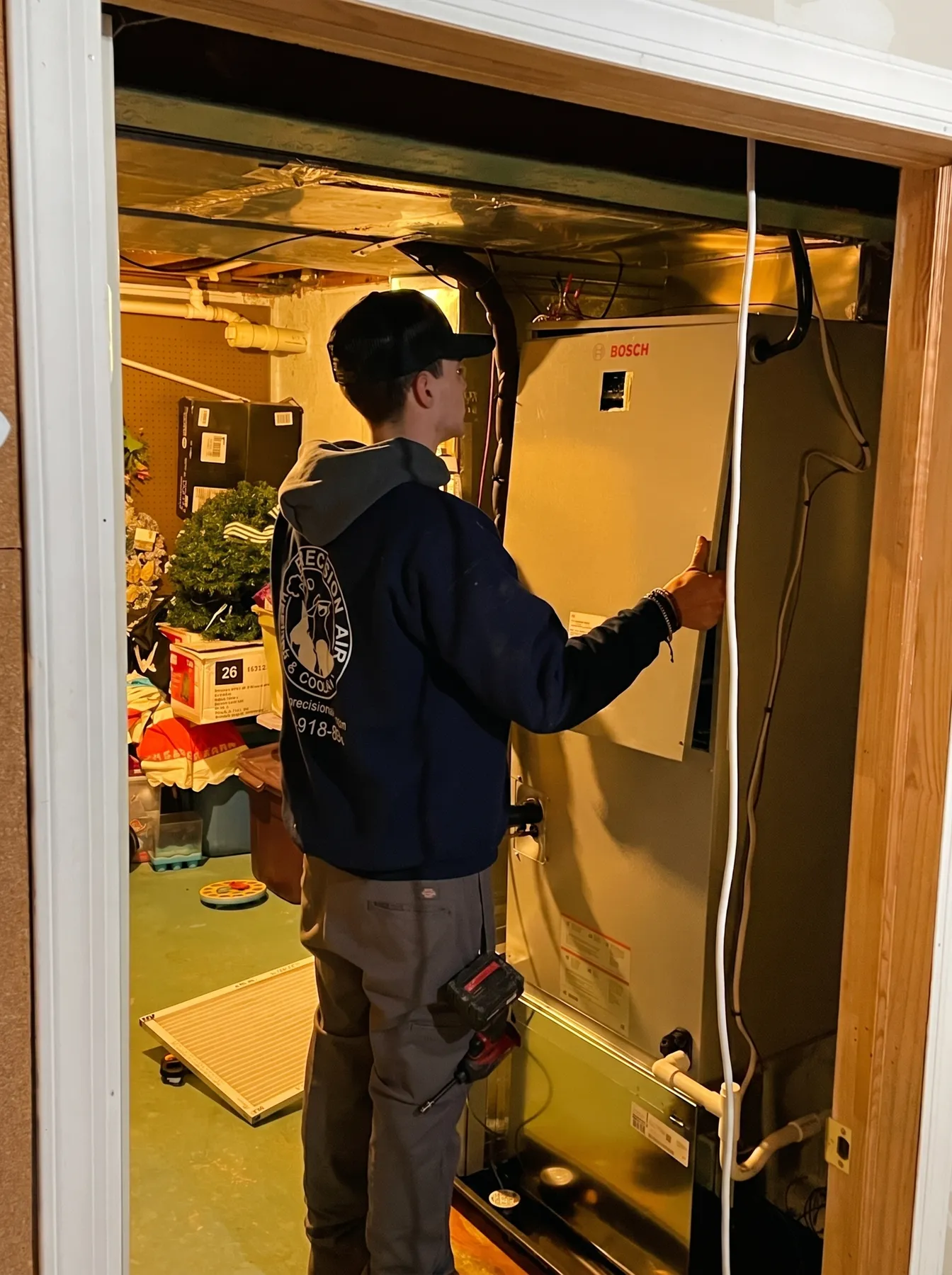
A Chester County January drops into the single digits, so your heat has to be there the moment you reach for it. We repair and install furnaces and heat pumps, and we will tell you honestly when a repair is the smart move and when you are throwing money at a system that is ready to go. On an oil or propane home, a modern heat pump is worth a hard look.
ServicesFurnace Installation
Furnace Repair
Furnace Maintenance
Heat Pump Installation
Heat Pump Repair
Heat Pump Maintenance
Water Heater Installation
Water Heater Repair
Tankless Water Heaters
Emergency Heating Service
 Air Quality

Indoor Air Quality
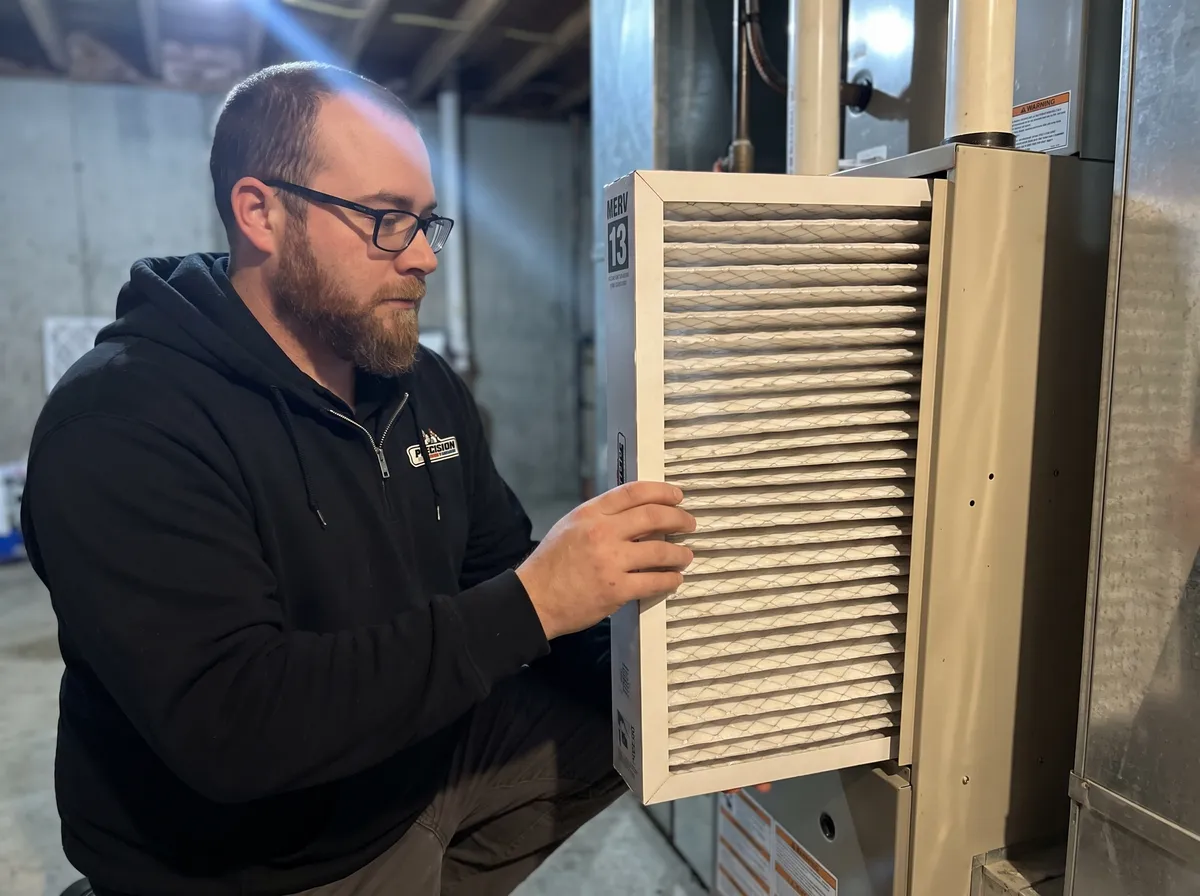
Our summers are humid and heavy with pollen, and a good share of what people call an AC problem is an air problem in disguise. We handle filtration, humidity, and the quiet protections that keep a system healthy and a house easy to breathe in.
ServicesDuctwork Design & Installation
Home Air Filters
Air Cleaning Systems
Humidifiers
Dehumidifiers
UV Light Installation
Air Handler Repair & Installation
Brands
The Brands We Install and Service
We are not loyal to a badge. Ask a contractor what the best system is and, more often than not, you will hear whatever brand he happens to stock. We would rather match the equipment to your home and to parts we can get our hands on quickly. We install Concord, American Standard, Bosch, and other major names, and we repair all of them. The brand on the side of the unit matters far less than the quality of the hands that installed it.





Comfort in 4 Simple Steps
Local people who show up and get it done
You should never wonder what happens after you call. Here is the whole path, start to finish.

You call, we call back fast.
A person answers during business hours and gets a technician moving. After hours, our answering service takes it, and you hear back in minutes.
We find what is wrong.
Your technician inspects the system and shows you the evidence: the gauge reading, the failed part, the photo before naming a fix.
You approve the price, in writing.
No open-ended work. You see a flat-rate price and decide, with the whole picture in front of you.
We get to work.
Most repairs are handled in the first visit. A new system is usually in and running within the week.

When Comfort Cannot Wait
We schedule urgent repairs same-week, and faster when you have no heating or cooling at all. Someone here picks up during business hours and gets a technician on the way. After hours, an answering service has your back, and you get a callback in minutes, not a recording that promises a call tomorrow.
Why Choose Us · Precision Air’s Promise
Here’s what you can count on when we show up
Local and independent since 1993
Most established HVAC names here answer to private equity now. We answer to our neighbors and to a reputation we cannot rebuild if we spend it.

Separate service and install teams
We are not a one-truck shop, so a July heat wave never forces a choice between fixing your system and installing somebody else’s. The right crew shows up.
We show you what we found
Before you approve a thing, your technician walks you through the evidence: the gauge reading zero, the leaking coil, the tripped capacitor. Never just our word for it.

Written pricing before any work
Repairs start with a flat diagnostic fee, told up front, then a flat-rate price you approve in writing. A new-system estimate is free. Nothing open-ended, ever.

Repair first, when repair makes sense
On a younger system with one failed part, we will tell you to fix it. We raise replacement only when the math points there, and then we price both paths.

A 15-year relationship, not a one-day job
The system we install today, we expect to service a decade from now. And we plan to still be here, at the same number, to take that call.

Request your free estimate
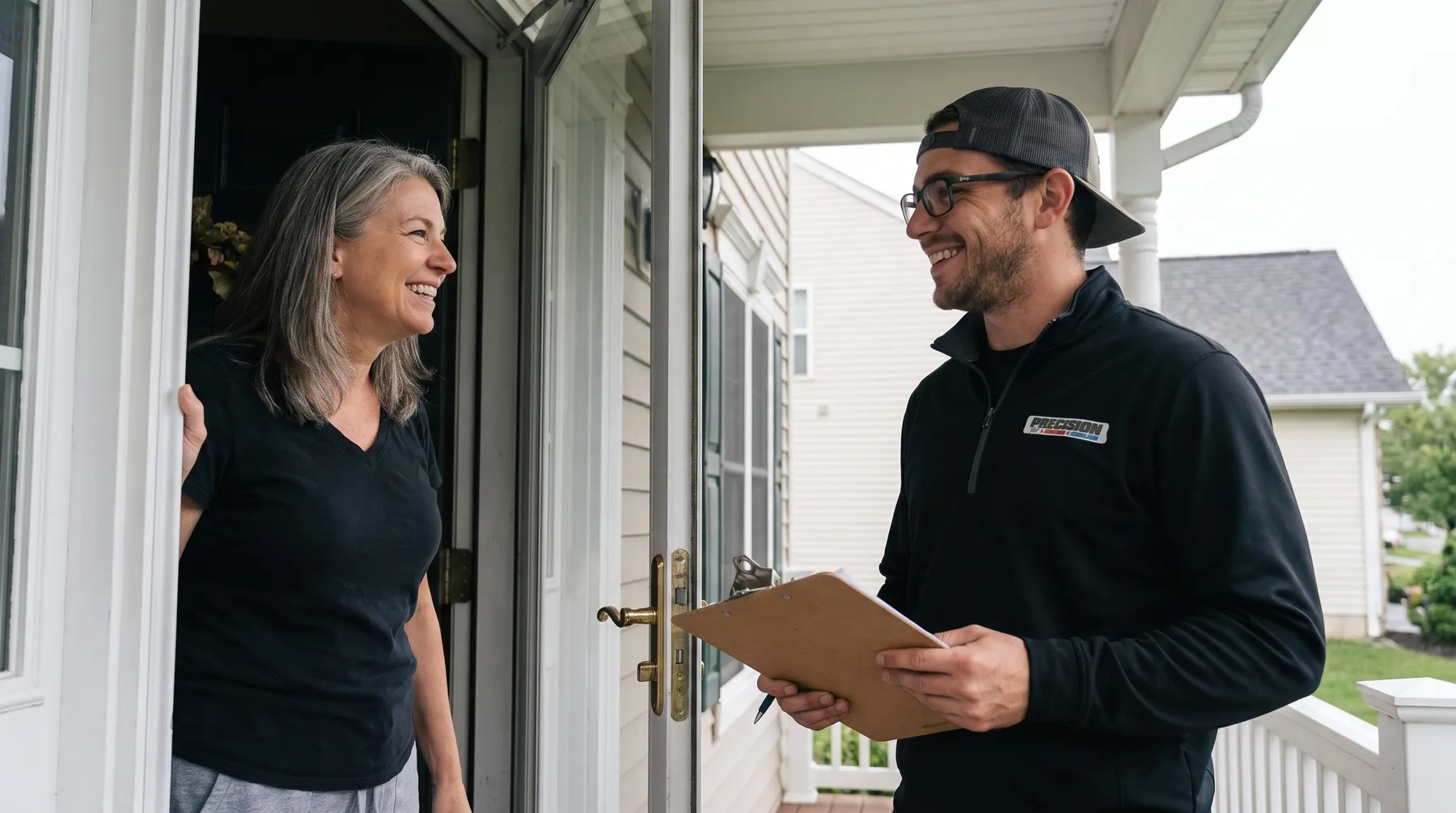
Thinking about a new system but do not want to pay just to hear a number? Our in-home estimate is free. A project manager measures your home, walks the space, and lays out options at a few different budgets, so you know where you stand before you owe us a cent. No quotas, no pressure to decide on the spot.
* indicates required fields
One Call From a More Comfortable Home
Talk to a local team that picks up, listens, and gets you moving
When the heat quits, the AC struggles, or the house just does not feel right, you should not have to chase someone for help. Call Precision Air, and you reach a Chester County team that knows the homes, the weather, and the systems around here. We will get you on the schedule, send the right person, and make sure you know what is happening before any work starts.
- Fast help without the phone mazeDuring business hours, someone here answers and helps get your visit moving. After hours, our answering service takes the call and gets you a callback, so you are not stuck waiting with no direction.
- Clear answers before the work beginsYour technician finds the cause, shows you what they found, and gives you the price in writing before repairing. For a new system, a project manager measures your home and walks you through options at a few budgets.
“When you call, you get a person who actually helps.”
Eric Light · Owner & President
HVAC Maintenance Plans for West Chester, PA Homes
Know the price before we touch a thing.
Honest, upfront pricing, and a maintenance club that heads off breakdowns before they start.

Maintenance that pays for itself
Two seasonal visits matter in Pennsylvania because your system grinds through both the biting cold and heavy heat. The Precision Comfort Club is a relationship, not a coupon book. We catch small trouble before the hottest day of the year finds it first, keep a running history on your equipment, and protect the system you paid good money to install.
- Thorough 30-point heating and 40-point cooling inspections
- 10% off repairs, plus a discount on emergency calls
- Priority scheduling and priority emergency service
- A documented, longer-lasting system
They beat all the other quotes I received and gave me superior equipment.
Financing
A new system without the financial stress
A new system is a large expense, and it rarely announces itself in advance. Wells Fargo financing lets you spread a larger repair or a replacement over time, with 0% for 12 to 18 months or longer terms for qualified customers, subject to approval. We will walk you through what you qualify for as part of the estimate, no surprises.
- Plan 0012 — no interest if paid in full within 12 months with regular payments (deferred interest, not 0% APR).
- Plan 3692 — fixed 9.99% APR for 120 months with equal monthly payments.
- Apply directly and securely with Wells Fargo, so we never see your SSN, income, or credit details.
- Quick online credit decision.
Financing offered with approved credit through Wells Fargo Bank, N.A.; not all applicants will qualify. Plan 0012: if the balance is not paid in full within 12 months, interest is charged from the purchase date. Terms and conditions apply. Minimum purchase may be required.
HVAC Services Across Chester, Delaware & Montgomery Counties
Chances are, we already know your street.
Precision Air Heating and Cooling is based in West Chester and covers all of Chester County, plus into neighboring Delaware and Montgomery counties. Same crew, same process, same upfront pricing in every town, whether you are in a historic West Chester twin or a newer build-out past Exton. Not sure you are in range? Give us a call, and we will confirm coverage in about a minute.
Don’t see your town on the list? Give us a call. Chances are our penguins patrol it too.

Trusted by 900+ Homeowners Across Southeastern PA
Why homes like yours stick with us.
Real, verified Google reviews from neighbors across Chester County.
We woke up to a cold house with no heat. I called first thing in the morning and John came out the same day, honest and knowledgeable, and never tried to upsell us.
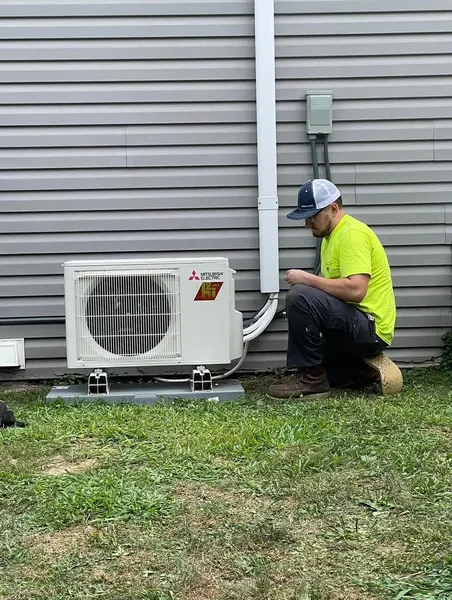
Donnie, Peter, Jake, and the entire install crew were fantastic. The mini-split install looks amazing, clean and neat, and they were professional and respectful of our home.
 D
DMy sixth visit from Precision over the last few years, and every experience has been fabulous. They beat all the other quotes I received and gave me superior equipment.
I’ve been using Precision for over 5 years. Every technician is polite and explains everything in a way I understand. They schedule me immediately and treat me like family.
They came out quickly to repair our unit, and when we needed a new one the technicians were polite, on time, and informative. The new system works well.
HVAC FAQs
Curious how we work before you call?
Straight, answer-first replies to what folks in Chester County ask us most.
Still have a question? Call usAre you local, or private-equity owned?
What areas do you serve?
Do you offer emergency or same-day service?
How much does a service call or a new system cost?
What brands do you install and service?
Do heat pumps work through a Pennsylvania winter?
From the Blog
HVAC tips and news for Southeastern PA homeowners
Practical guides from the team that works these systems every day, plus clear answers to what Chester County homeowners actually ask us.
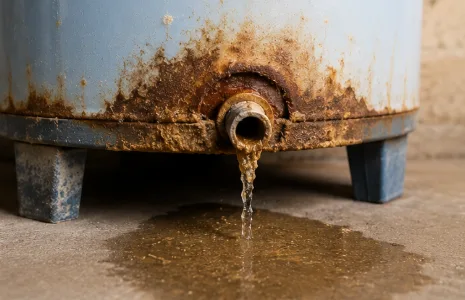
The Hidden Problems of Aging Water Heaters, and How Tankless Systems Fix Them
Most homeowners ignore the water heater until a shower turns cold or the basement floor gets damp. Here’s the hidden trouble, and how a tankless system fixes it.
Read the article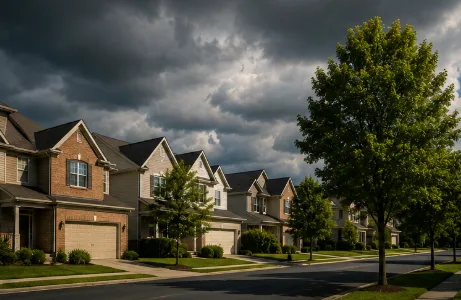
How Local Weather in West Chester Puts Extra Stress on Your AC
If your AC never quite catches up on a sticky West Chester afternoon, you’re not imagining it. Older homes and humidity make it work a lot harder.
Read the article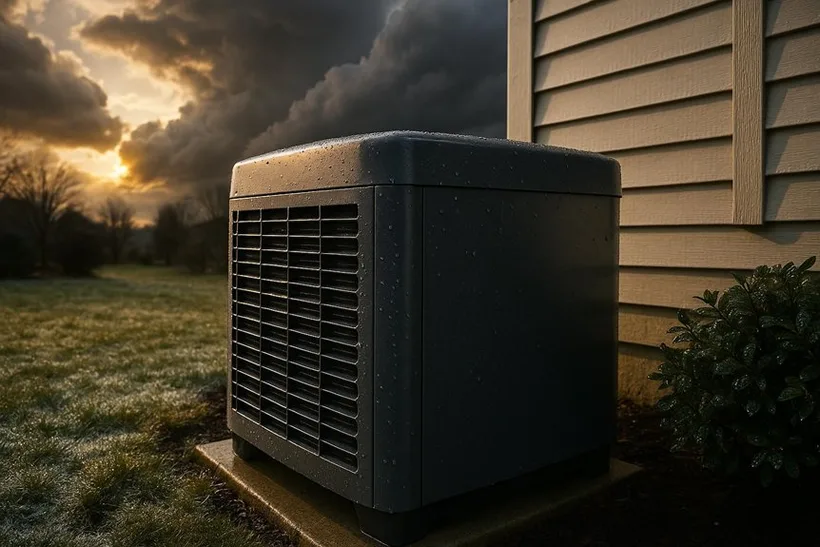
How West Chester’s Fluctuating Weather Affects Your Heat Pump
West Chester springs swing from cool mornings to humid afternoons to sudden showers, and those constant shifts put real strain on how your heat pump performs.
Read the articleReady When You Are
Your home deserves someone who does the right thing when no one’s looking.
Whether it is a warm vent, a cold morning, or a system limping through its last summer, the Penguin Patrol is one call away. You get a straight answer, the proof behind it, and a price before we start.
Family-owned in West Chester since 1993 · ★ 4.9 from 900+ Google reviews